Resume guides
The questions that decide whether a resume gets read, answered with real examples: how to write each section, how to put AI to work without sounding like it, and the formats recruiters expect in 2026.

How to Write a Resume in 2026
Recruiters give a resume 7.4 seconds, and at most companies software reads it before they do. Here is how to write one that survives both readers, section by section.
Read the guide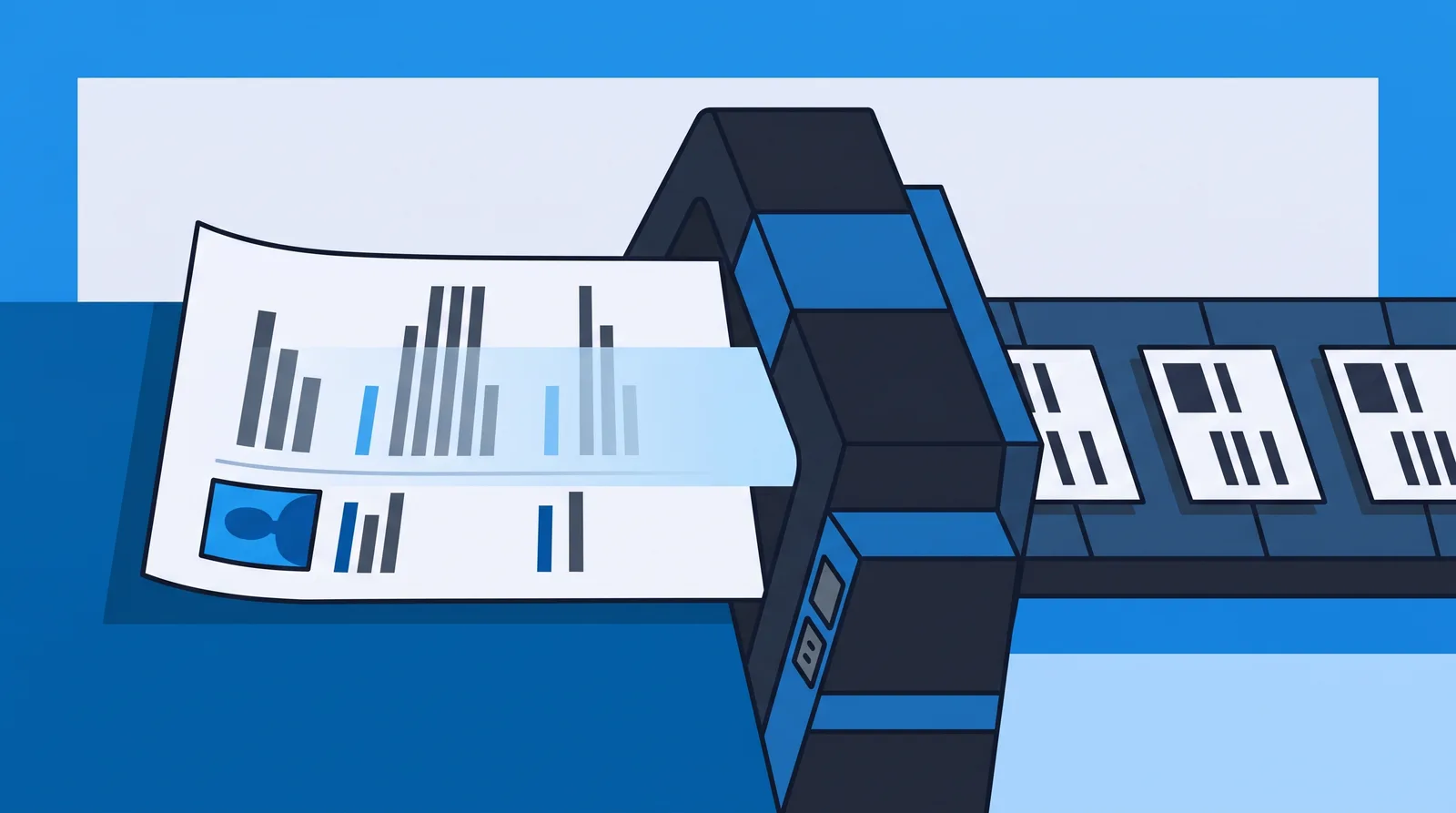 ATS
ATSATS-Friendly Resume in 2026: How to Pass Every Scan
The first reader of most resumes is a parser. What it extracts, what it drops, the formatting that survives it, and the 2-minute test that shows you your own file the way the software sees it.
 Formats
The Best Resume Format in 2026
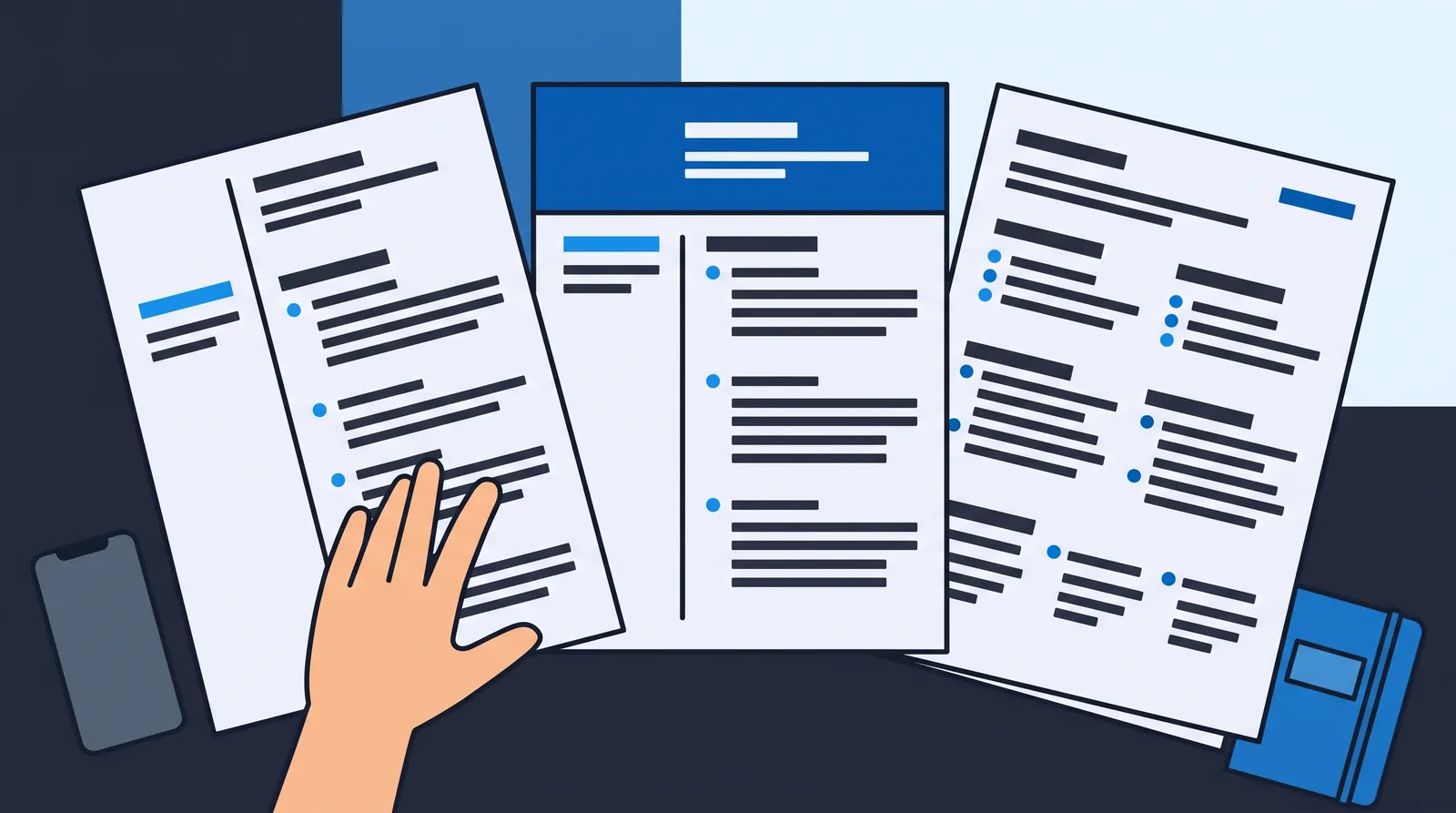
Reverse-chronological wins for most careers, and the exceptions are specific: career changes, long gaps, first resumes. How each format works and how software reads it.
 AI
AIHow to Write a Resume With AI [21+ Tips for 2026]
AI can draft a resume in minutes; the interview depends on what happens next. 26 working tips for prompting, editing and keyword matching without sounding generated.
 Writing
Resume Summary Examples for 2026 (By Role and Level)
30 summaries that read in seconds, from first resume to executive and across industries, all built on one three-sentence formula: title, proof numbers, fit line.
 Tips
TipsTop 31 Resume Tips (to Get You Hired)
The fixes that actually move interviews, in 31 tips: what recruiters skim for, what parsing software needs, and the 10 minutes of checks most resumes skip.
 Skills
Skills to Put on a Resume in 2026 (With Examples)
The skills section is 8 to 12 lines of hard evidence mirrored from the posting, and soft skills live somewhere else entirely. What earns a line, by field, with examples.


